Module 5: Student Assessments Activity 2
- Mr Nick

- May 6, 2024
- 2 min read
Communicating Results to Families and Students


Reflection: Supporting Literacy Development and Effective Communication of Assessment Data
As a high school economics teacher instructing students in AP and A-level curricula, supporting families in literacy development involves providing resources that align with economic principles and concepts. This includes recommending books, articles, and online resources that explore topics such as macroeconomics, microeconomics, global economics, and economic history. For instance, suggesting renowned economic texts like "The Wealth of Nations" by Adam Smith or "Freakonomics" by Steven Levitt and Stephen Dubner can broaden students' understanding of economic theories and applications.
Moreover, hosting workshops or webinars specifically tailored to economics literacy can be beneficial for parents. These sessions can cover fundamental economic concepts, explain how economics is integrated into everyday life, and offer practical strategies for reinforcing economic literacy at home. Additionally, providing access to reputable online platforms or educational apps focused on economics can further engage students and families in interactive learning experiences.
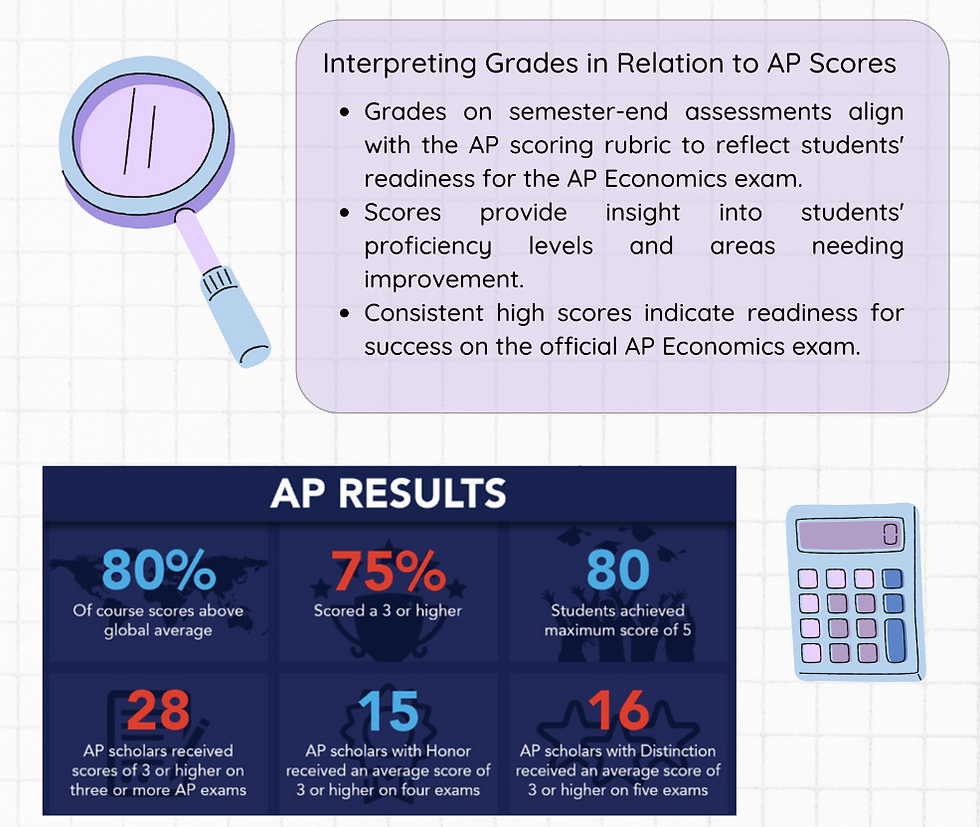
When it comes to communicating assessment data, clarity and relevance are key. For example, when sharing exam results or progress reports, providing specific feedback on students' understanding of economic theories, analytical skills, and application of economic principles can guide parents in supporting their child's learning. Furthermore, offering real-world examples or case studies related to economic concepts can help parents contextualize their child's academic performance and identify areas for improvement.
Incorporating student-led conferences or presentations where students showcase their understanding of economic topics can also enhance communication between teachers, students, and families. These interactive sessions allow students to demonstrate their knowledge, articulate their learning goals, and receive feedback from both teachers and parents. By actively involving families in the assessment process, educators can foster a collaborative approach to student learning and strengthen the school-home partnership.
In summary, supporting literacy development in economics involves providing tailored resources and educational opportunities that align with the subject matter. Effective communication of assessment data requires clear feedback, relevant examples, and opportunities for collaborative dialogue between teachers, students, and families. By empowering families with resources and information, educators can enrich students' learning experiences and promote academic success in economics.


Comments